
Patta Transfer Process in Tamil Nadu – Step-by-Step Guide for Buyers
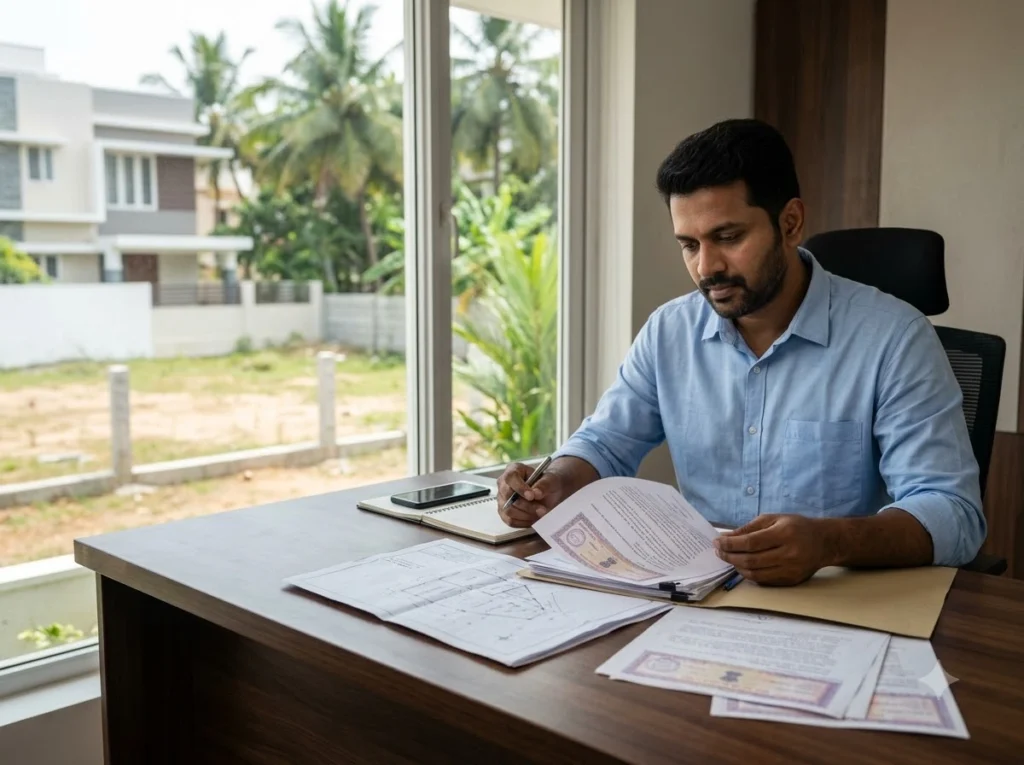
Buying a property in Tamil Nadu is an important financial decision, but the process does not end when the sale deed is registered. One of the important post-registration steps for a buyer is Patta Transfer.
After purchasing land or a house, buyers should ensure that the revenue records are updated in their name. A properly updated record can make future property transactions, verification, inheritance procedures and certain government processes easier.
Many buyers are unsure about where to apply, what documents are required, how long the process takes, and whether the application can be submitted online. This guide explains the Patta Transfer Process in Tamil Nadu step by step, along with practical points buyers should check before and after purchasing property.
Important: Revenue procedures, document requirements and processing times can vary depending on the property, type of transaction and local revenue records. Buyers should verify the latest requirements through official Tamil Nadu government channels or the concerned revenue office.
What Is Patta?
Patta is a revenue record maintained by the Tamil Nadu government that contains details relating to a landholding. It generally identifies the person recorded as the pattadar and provides information associated with the land parcel.
It is important to understand that a patta is not a replacement for the registered sale deed or title documents.
For a property buyer, the registered conveyance document establishes the transaction, while revenue records help reflect the ownership details in the government’s land records.
Why Is Updating the Record Important?
Keeping revenue records updated can be useful for:
- Maintaining current land records
- Future property transactions
- Property due diligence
- Obtaining certain land-related certificates
- Supporting inheritance or succession-related procedures
- Resolving discrepancies in government records
- Making future verification easier
However, buyers should not treat a patta entry alone as conclusive proof of clear title. Title verification should also consider the sale deed, previous title documents, encumbrance records and other relevant documents.
Patta Transfer Process in Tamil Nadu: Step-by-Step
The general process after a property purchase can be understood in the following stages.
Step 1: Complete Sale Deed Registration
The first major step is registering the sale deed with the appropriate Sub-Registrar Office.
Before leaving the registration process, buyers should carefully check:
- Buyer and seller names
- Survey number
- Sub-division number, where applicable
- Extent of land
- Property boundaries
- Document number and registration details
Any mismatch in these details can create complications later.
Step 2: Keep the Required Documents Ready
Depending on the transaction and property records, commonly relevant documents may include:
- Registered sale deed
- Previous title documents, where required
- Patta or existing revenue record
- Encumbrance Certificate, where relevant
- Identity and address proof
- Application or supporting forms, if required
- Other documents requested by the concerned revenue authority
The exact documentation can vary depending on the case.
Step 3: Apply Through the Appropriate Channel
Tamil Nadu provides digital services for several land and revenue-related processes.
Depending on the property and service, buyers may be able to use the relevant Tamil Nadu land records / e-services portal or obtain assistance through an authorised service centre.
For cases involving discrepancies, subdivision, inheritance, missing records or other complications, the application may require additional verification by the concerned revenue officials.
Step 4: Verification of the Application
After submission, the relevant records may be checked against existing government databases and documents.
Officials may examine details such as:
- Survey number
- Subdivision
- Existing pattadar details
- Land extent
- Registration information
- Revenue records
- Supporting documents
If the submitted information matches the available records, the request can proceed.
Step 5: Revenue Record Update
Once the application is approved, the relevant revenue record can be updated to reflect the new pattadar details.
Buyers should download or obtain the updated record and carefully verify the information.
Check the:
- Name
- Survey number
- Subdivision number
- Extent
- Village
- Taluk
- District
If something is incorrect, it is better to address the discrepancy rather than allowing the error to remain in the records.
Online Patta Transfer vs. Office-Based Process
For straightforward transactions, online services can make the process more convenient.
| Online Route | Office / Assisted Route |
|---|---|
| Convenient for eligible services | Useful for complicated cases |
| Application can be submitted digitally | Documents can be explained directly |
| Status may be trackable online | Suitable when physical verification is involved |
| Less travel for simple applications | Helpful for record discrepancies |
Not every property situation is identical. If the land involves subdivision, inheritance, old records or discrepancies, additional steps may be required.
How Long Does the Process Take?
The processing time is not necessarily the same for every application.
A straightforward transfer with matching registration and revenue records may be processed more easily than a case involving:
- Survey discrepancies
- Subdivision issues
- Name mismatches
- Incomplete documents
- Old or unavailable records
- Inheritance claims
- Disputes between parties
Therefore, buyers should avoid relying on an exact number of days unless the current official service timeline applicable to their particular application is confirmed.
What Does Patta Transfer Cost?
The applicable cost can depend on the method of application and the specific service involved.
Buyers should be cautious about anyone demanding an unexplained large payment for a routine revenue-record update.
If professional assistance is used, ask for:
- Government or official service charges, if applicable
- Service/processing charges
- Any additional document or verification expenses
Always ask for a receipt or acknowledgement where appropriate.
Common Mistakes Buyers Should Avoid
1. Assuming Registration Automatically Solves Everything
Registering the sale deed is a major step, but buyers should still check whether the corresponding revenue records have been properly updated.
2. Not Checking Survey Details
A small error in a survey or subdivision number can create significant problems.
Compare the details across:
- Sale deed
- Previous documents
- Patta/revenue records
- Survey records
- Property schedule
3. Ignoring Name Spelling Errors
The buyer’s name should be checked carefully. Differences in initials, spelling or order of names can create avoidable complications.
4. Treating Patta as the Only Title Proof
A revenue entry should not be considered a substitute for complete title due diligence.
Before purchasing land, buyers should review the chain of title and other relevant records.
5. Not Keeping Copies of Submitted Documents
Maintain digital and physical copies of:
- Registered documents
- Application acknowledgement
- Supporting documents
- Updated revenue records
- Correspondence relating to the application
This makes future verification much easier.
What Buyers Should Check Before Purchasing Land
The best time to identify a property-record problem is before the purchase, not after registration.
A buyer should consider checking:
Title Documents
Review the seller’s ownership documents and the previous chain of title where applicable.
Encumbrance Records
An Encumbrance Certificate can help identify registered transactions or encumbrances recorded against the property for the relevant period.
Patta and Revenue Records
Compare the existing revenue details with the seller’s documents and the actual property being offered for sale.
Survey and Subdivision Details
Make sure the survey number, subdivision and land extent are consistent across relevant documents.
Planning Approval
For plotted developments and construction, buyers should also verify the applicable planning permissions and approvals, such as DTCP or CMDA approval where relevant.
Physical Verification
Documents should be compared with the actual property on the ground, including boundaries, access road and extent.
What If the Details Do Not Match?
A mismatch should not simply be ignored.
For example, if the sale deed mentions one extent but the revenue record shows another, the buyer should identify why the difference exists.
Possible reasons may include:
- Old measurement records
- Subdivision changes
- Data-entry errors
- Survey-related differences
- Previous transactions
- Incomplete record updates
The appropriate correction process depends on the nature of the discrepancy.
For significant title or boundary issues, buyers should obtain advice from a qualified property lawyer or appropriate professional before proceeding.
Why Proper Documentation Matters for Property Buyers
Good documentation creates a clear trail of ownership and property information.
This becomes particularly valuable when:
- Selling the property later
- Applying for certain loans
- Transferring property to legal heirs
- Conducting future due diligence
- Constructing a building
- Resolving record discrepancies
A buyer should therefore maintain a property document file from the date of purchase.
Practical Checklist for New Property Buyers
Before considering the property documentation complete, use this checklist:
☐ Sale deed registered
☐ Buyer name checked
☐ Survey number verified
☐ Subdivision verified, if applicable
☐ Land extent checked
☐ Boundaries verified
☐ Existing revenue records reviewed
☐ Encumbrance records checked
☐ Applicable approvals verified
☐ Revenue record transfer applied for, where required
☐ Updated record checked after approval
☐ All documents stored safely
Frequently Asked Questions
1. Is patta transfer necessary after buying property in Tamil Nadu?
Updating the relevant revenue records after a property purchase is an important step for maintaining current land records. The exact procedure can depend on the property and transaction.
2. Can I apply for the transfer online?
For eligible services, Tamil Nadu provides online land and revenue-related services. The applicable process should be checked through the current official government portal.
3. What documents are generally required?
A registered sale deed and existing property/revenue records are commonly relevant. Depending on the case, identity proof and additional supporting documents may also be required.
4. How long does the transfer take?
The time varies depending on the application and whether the records are straightforward or require additional verification. Buyers should check the current official service timeline for their specific case.
5. Does a patta prove that the property has clear title?
No. It should not be treated as the only evidence of title. A proper title review should consider the registered documents, previous ownership records, encumbrance information and other relevant records.
6. What should I do if the survey number or extent is incorrect?
Do not ignore the mismatch. Identify the source of the difference and approach the appropriate revenue authority or obtain professional legal advice, depending on the nature of the issue.
7. Should I check these records before buying land?
Yes. Checking title documents, revenue records, survey details, encumbrance information and applicable approvals before purchase can help identify potential problems early.
Buying property involves more than signing a sale deed. Keeping the corresponding land and revenue records properly updated is an important part of responsible property ownership.
For buyers in Chennai and across Tamil Nadu, the safest approach is to compare the sale deed, title documents, survey information, revenue records and applicable approvals rather than relying on a single document.
If you are planning to buy a plot or house, take time to verify the property documents before making a financial commitment. A careful verification process today can help prevent unnecessary complications later.
Looking for DTCP/CMDA-approved plots or residential properties around Chennai?
NSR Crown Properties focuses on properties in and around areas such as Tambaram, Urapakkam, Guduvanchery, Vandalur, Chengalpattu, Mannivakkam, Padappai and OMR.
Speak with the property team and understand the available property details and documentation before making your decision.
Plots Near Tambaram: Smart Investment Guide
Plots for Sale in Urapakkam: A Smart Buyer’s Guide
CMDA Approved Plots in Tambaram